
Preparing for Calving
- Provide Proper Nutrition – A balanced diet rich in energy, protein, and minerals (especially calcium) helps support a healthy pregnancy and easier delivery.
- Monitor for Signs of Labor – Restlessness, udder swelling, isolation from the herd, and mucus discharge indicate calving is near.
- Prepare a Clean Calving Area – A dry, well-bedded, sheltered space reduces infection risks.
Assisting During Birth
- Observe but Don’t Intervene Too Soon – Most cows deliver without assistance. Intervene only if there are signs of distress.
- Know When to Call the Vet – If labor lasts more than two hours without progress, or if the calf is in an abnormal position, seek veterinary help immediately.
- Ensure the Calf Breathes Properly – Remove mucus from the nose and rub the calf to stimulate breathing.
Post-Calving Care
- Colostrum Feeding – Ensure the calf nurses within the first two hours for strong immunity.
- Monitor the Cow – Check for signs of infection, retained placenta, or milk fever.
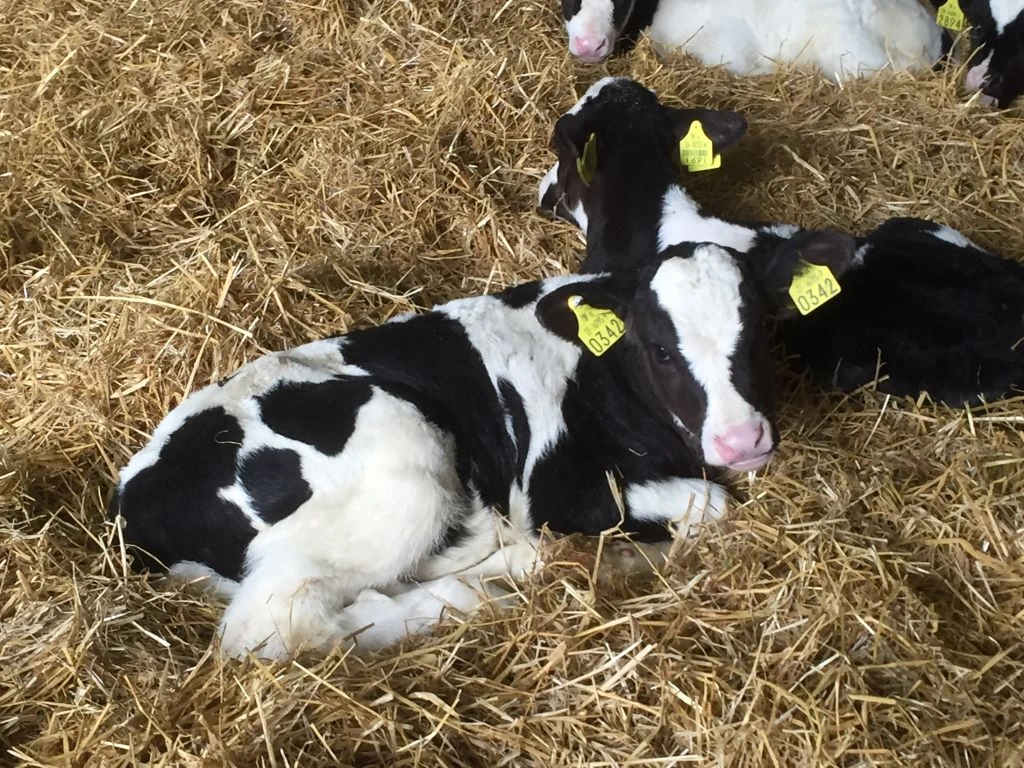
- Keep the Calf Warm & Dry – In cold weather, provide extra bedding and consider calf jackets.